

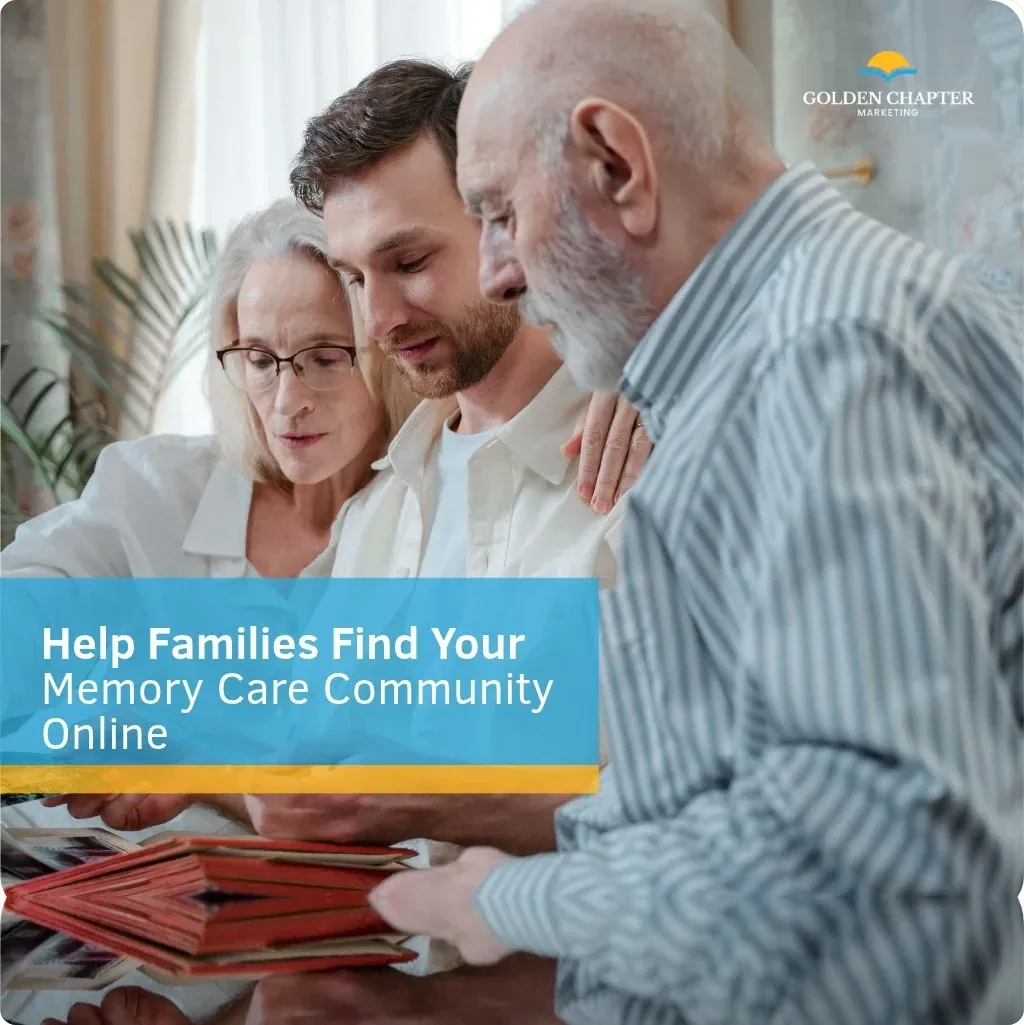
Effective memory care marketing starts with understanding what families need before they choose a community. Adult children and spouses are often looking for answers during a stressful time. They want to know that their loved one will receive appropriate care, feel respected, and have a structured daily routine.
To market memory care successfully, operators need clear messaging, a strong online presence, trusted referral relationships, and a reliable process for responding to inquiries. The goal is not simply to generate more leads. It is to help the right families find your community, understand your services, and feel comfortable scheduling a tour.
Why Memory Care Marketing Is Different From Senior Living Marketing
Independent and assisted living marketing often highlights lifestyle, activities, and amenities. These details matter, but families researching memory care usually have more specific questions about supervision, staff training, and dementia-related support.
Three factors make these decisions different:
- Timing: Some families plan ahead, while others begin searching after a fall, wandering incident, or change in caregiving needs.
- Decision-makers: Adult children and spouses often lead the search, balancing care decisions with work, family responsibilities, and emotional stress.
- Trust: Families need clear information about the community’s care practices before they feel ready to visit.
Your marketing should reflect these priorities. Instead of leading with attractive common areas, explain what daily care looks like and how your team supports residents.

Who You Are Really Marketing To
Your marketing should focus on two key audiences: family members searching for care and professionals who refer families to your community.
The Adult Child
Adult children may feel guilty about considering memory care or worry about making the wrong decision. They need practical information, honest answers, and reassurance without pressure.
Create content that answers common questions about services, costs, safety procedures, staff qualifications, and the transition into a community. The Alzheimer’s Association’s facts and figures can also help your team understand the wider impact of dementia on individuals and caregivers.
Referral Sources
Hospital discharge planners, social workers, physicians, and geriatric care managers can connect families with suitable care options.
Build these relationships through consistent communication. Provide accurate information about your services, admission criteria, availability, and the residents your community is equipped to support. Marketing can introduce your community, but reliable care and professional follow-through help maintain referral relationships.
What Families Need to Hear Before They Tour
Your memory care page should answer the questions families are likely to ask before calling.
- Safety and security: Explain your actual security measures, supervision practices, and procedures for reducing wandering risks.
- Staff training: Describe relevant dementia care training, staff qualifications, and ongoing professional development.
- Daily routine: Show how activities, meals, social interaction, and familiar routines support residents throughout the day.
- Costs: Explain what fees include, how care levels affect pricing, and whether additional services cost extra.
Use straightforward language rather than broad promises or luxury-focused messaging. Families need an accurate picture of the care you provide, not guarantees that no incident will ever occur.
Where to Show Up: The First 48 Hours of a Memory Care Search
The first 48 hours provide a useful framework for reviewing where your community appears and how easily families can contact you. Every family’s timeline will differ, but these touchpoints deserve attention.
- Google Search and Maps: Strong memory care SEO starts with an accurate Google Business Profile, current community photos, and professional responses to reviews.
- AI search answers: Publish clear information about your location, services, care practices, and common family questions. Helpful, consistent content can support visibility across search platforms, although no strategy guarantees an AI recommendation.
- Referral partners: Make your contact information and service details easy for healthcare professionals and care managers to find.
- Your website: Give visitors a dedicated memory care page with clear contact options, useful information, and a simple way to request details or schedule a tour.
If families are already searching for care, targeted PPC for senior living can also help your community appear for relevant searches. Make sure the landing page answers the same questions as the ad.

Memory Care Marketing Ideas That Build Trust
The strongest memory care marketing ideas offer useful information or help families understand your community before they visit.
- Caregiver support groups: Host regular sessions where caregivers can connect and access helpful resources. The National Institute on Aging’s caregiving guide is a useful starting point for identifying relevant topics.
- Educational workshops: Invite qualified professionals to discuss dementia, care planning, or legal considerations.
- Video walkthroughs: Show real living spaces, outdoor areas, and daily activities. Explain how the environment supports residents.
- Family stories: Share testimonials with informed consent and appropriate privacy protections. Focus on genuine experiences rather than promising the same outcome for every family.
Choose activities your team can maintain consistently. A useful monthly workshop or a well-produced video may provide more value than several one-time campaigns without follow-up.
How to Turn the First Call Into a Tour
Generating inquiries is only one part of memory care marketing. Your team also needs a dependable process for helping families take the next step.
- Respond promptly: Families often call in the middle of a crisis. Return calls and web inquiries the same day, and make sure after-hours calls reach a real person or get a callback first thing the next morning.
- Train the person answering: Whoever picks up should know your memory care services, current availability, and next steps, and should listen before pitching. A rushed or scripted call can end the search right there.
- Ask helpful questions: Invite callers to explain what support they need and what prompted their search. Avoid making them feel rushed or pressured.
- Follow up appropriately: Send a short summary of what you discussed, offer a specific tour time, and check in again within a few days without pressure. Most families compare several communities before they decide.
Track qualified inquiries, tours booked, tour attendance, and move-ins. Reviewing these numbers helps operators understand which memory care marketing strategies are contributing to occupancy rather than simply generating website traffic.
How Golden Chapter Marketing Helps Memory Care Communities
Golden Chapter Marketing helps senior living operators connect their websites, search visibility, paid campaigns, and brand messaging into a coordinated strategy. As a specialized senior living marketing agency, we focus on helping communities reach relevant audiences, build trust, and measure progress toward occupancy goals.
When it comes to marketing senior living services, we bring these channels together so families can discover your community and take the next step with confidence.
If your memory care occupancy is lagging behind other care levels, contact Golden Chapter Marketing to discuss opportunities to improve your current approach.
Memory Care Marketing FAQs
Make it easy for families to find you and trust you. Keep your Google Business Profile and memory care page accurate, answer cost and care questions openly, build steady relationships with discharge planners and care managers, and respond to every inquiry quickly. Educational events and real family stories help families feel confident enough to tour.
Adult children and spouses often lead the decision, sometimes with input from siblings, healthcare professionals, and care managers. When possible and appropriate, include the older adult in discussions. Marketing should address family concerns while respecting the individual’s preferences, dignity, and needs.
A memory care website needs a dedicated memory care page that explains daily routines, staff dementia training, safety and security measures, and what pricing includes. Add real photos or a video walkthrough, reviews, and a clear way to call or schedule a tour from every page. Families should not have to hunt for answers.
Memory care families are usually reacting to a change in a loved one’s safety or memory, so they need detailed answers about supervision, staff training, and daily structure rather than amenities. Many searches start after a crisis, which makes fast response, clear information, and referral relationships more important than lifestyle messaging.